When I look back now, I can see there were signs long before we ever heard the words, “Your son has autism.” At the time, I didn’t know what they meant. I just knew in my mother’s heart that something felt different.
Every child develops at their own pace, and this post isn’t meant to diagnose or compare children. It’s simply our story in hopes that it helps another parent trust their instincts and seek support sooner rather than later.
He Lost Skills He Once Had
One of the biggest red flags for us was watching him lose skills he had already started to develop.
Instead of continuing to gain new abilities, some of the things he had previously done became less frequent or disappeared altogether. As a parent, that’s incredibly hard to watch, and it’s something I would encourage anyone to bring up with their child’s pediatrician.
He Never Pointed
One of the most noticeable signs was that he never pointed—not to ask for something, not to show us something exciting, and not to share an experience with us.
Pointing may seem like such a small milestone, but it’s actually one of the earliest ways children communicate before they have words. When a child points to an airplane in the sky or a puppy across the street, they’re doing more than pointing—they’re inviting you into their world and sharing their attention with you.
When that milestone is missing, it can sometimes be a sign that a child needs further evaluation.
There Was No Pretend Play
As other toddlers began pretending to feed baby dolls, cook in toy kitchens, or drive toy cars while making engine sounds, our son wasn’t interested in imaginative play.
Pretend play helps build language, social skills, creativity, and problem-solving. Looking back, this was another important clue that his development was different.
Hand Flapping
We also noticed hand flapping, especially when he was excited or overstimulated.
At first, we thought it was simply something he did when he was happy. Later we learned that repetitive movements, often called stimming, can help autistic individuals regulate their emotions or sensory experiences.
Eye Rolling and Unusual Eye Movements
We also noticed episodes of eye rolling and unusual eye movements. While these behaviors can happen for many different reasons, they became another piece of the puzzle that we shared with his medical team during evaluations.
Development Wasn’t Following the Typical Path
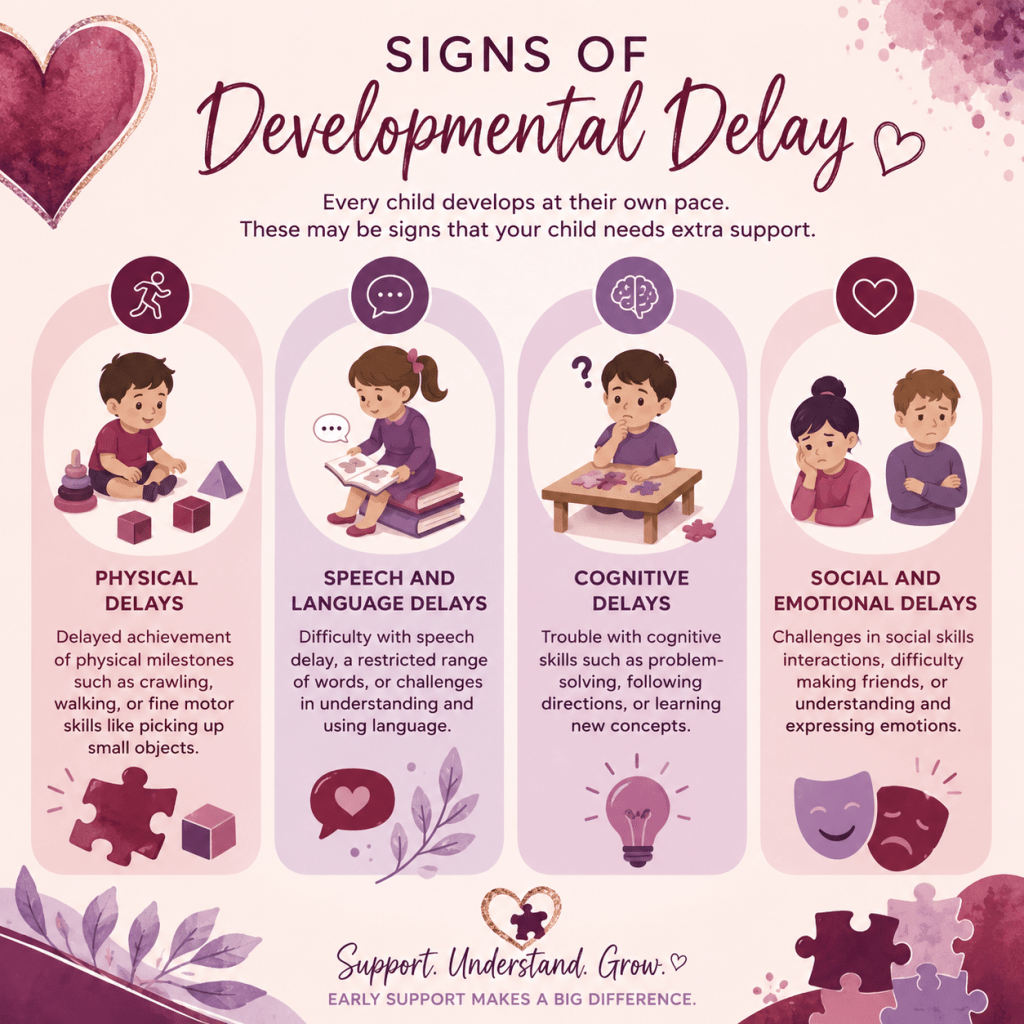
His communication wasn’t progressing the way we expected. He wasn’t using gestures, wasn’t pointing, and his play skills looked very different from other children his age.
None of these signs alone meant autism, but together they painted a picture that something more was going on.
The Best Decision We Ever Made: Early Intervention
One thing I’m incredibly grateful for is that we trusted our instincts.
We didn’t wait for someone to tell us to “give it more time.” We didn’t ignore the feeling that something wasn’t quite right.
We enrolled our son in First Steps when he was just 10 months old, and looking back, it was one of the best decisions we’ve ever made.
Early Intervention isn’t about putting a label on your child—it’s about giving them the support they need during the years when their brain is growing and developing the fastest.
Through therapy, children can build communication, social interaction, motor skills, feeding skills, sensory regulation, and independence. Every child progresses differently, but the earlier support begins, the more opportunities there are to help them learn and thrive.
Our journey eventually led to speech therapy, occupational therapy, feeding therapy, and other services that continue to help him today. While we still have challenges, I truly believe that starting early gave him a strong foundation.
Trust Your Gut
If there’s one thing I want another parent to take away from our story, it’s this:
Trust your instincts.
If you’re worried about your child’s development, don’t let anyone make you feel like you’re overreacting. Ask questions. Talk to your pediatrician. Request an evaluation.
You lose nothing by having your child evaluated—but you could gain access to life-changing support.
Today, I don’t see my son’s diagnosis as something that defines him. I see it as a roadmap that helps us understand how he experiences the world and how we can best support him.
Every milestone he reaches is hard-earned. Every new skill is celebrated. Every step forward reminds me why early intervention matters so much.
If our story encourages even one family to seek help sooner, then sharing it is worth it.



Leave a comment