A sensory diet is a personalized set of activities designed to provide the sensory input a child (or adult) needs to stay focused, calm, and regulated throughout the day. Despite the name, it has nothing to do with food. Instead, it’s a “diet” of movement, touch, sound, and other sensory experiences that help the nervous system function more effectively.
Sensory diets are often recommended by occupational therapists for children with sensory processing challenges, autism, ADHD, or developmental delays, but many sensory activities can benefit any child.
Note: Every child has unique sensory needs. A sensory diet should ideally be developed with guidance from an occupational therapist.
Benefits of a Sensory Diet
- Improves attention and focus
- Reduces anxiety and stress
- Supports emotional regulation
- Encourages body awareness
- Improves coordination and balance
- Makes daily routines easier
- Promotes independence
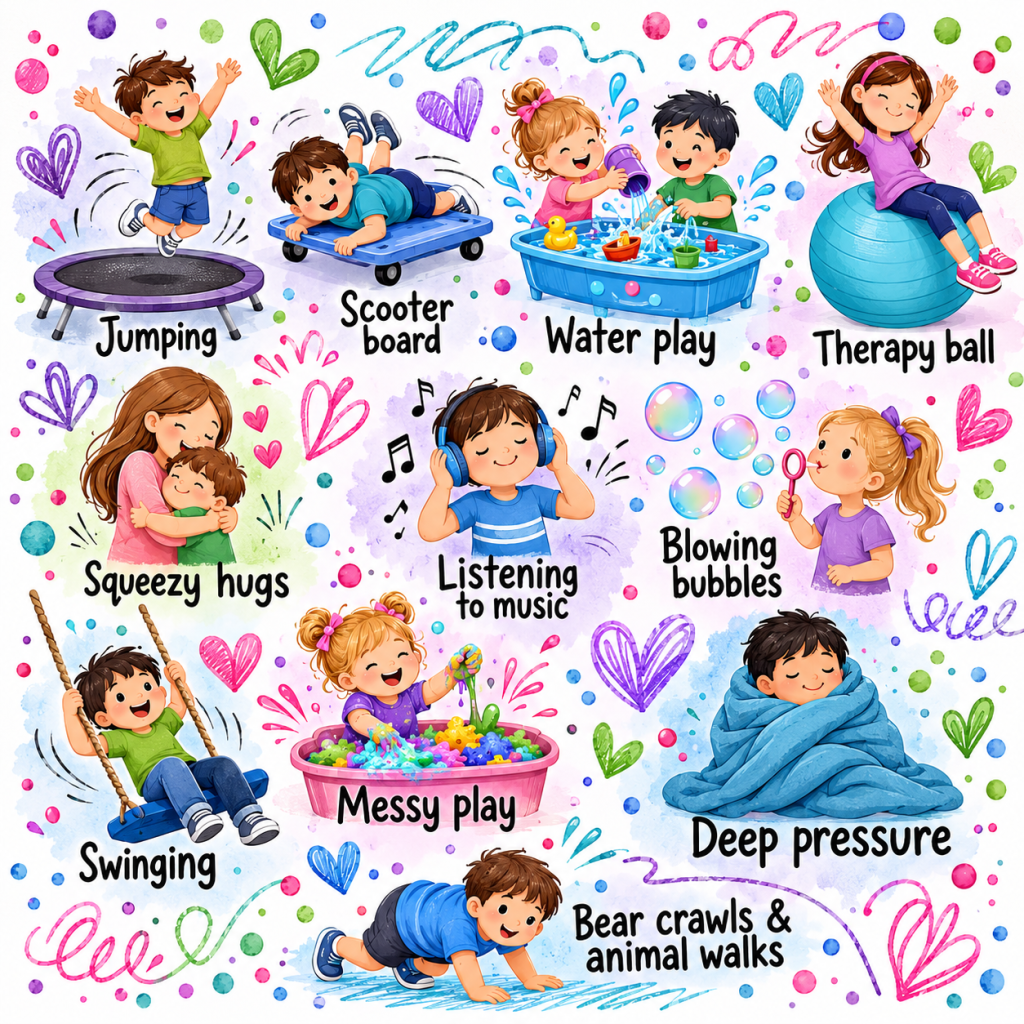
50 Easy Sensory Diet Activities You Can Do at Home
Heavy Work Activities
- Push a laundry basket filled with books.
- Carry grocery bags (appropriate weight).
- Wall pushes.
- Animal walks (bear, crab, frog).
- Wheelbarrow walking.
- Move cushions around the room.
- Help vacuum the floor.
- Pull a wagon.
- Climb playground equipment.
- Push a toy shopping cart.
Movement (Vestibular) Activities
- Swing at the playground.
- Jump on a trampoline.
- Dance to music.
- Roll down a grassy hill.
- Balance on one foot.
- Hopscotch.
- Obstacle courses.
- Yoga poses.
- Spin slowly on an office chair (with supervision).
- March around the house.
Tactile Activities
- Play with kinetic sand.
- Finger painting.
- Water play.
- Rice or bean sensory bins.
- Shaving cream play.
- Playdough.
- Bubble wrap popping.
- Fabric texture exploration.
- Gardening.
- Foam soap play.
Oral Sensory Activities
- Blow bubbles.
- Drink thick smoothies through a straw.
- Crunchy snacks like carrots.
- Chewy bagels.
- Whistle practice.
Visual Activities
- Lava lamps.
- Flashlight games.
- Puzzles.
- Coloring.
- Hidden object books.
Auditory Activities
- Listen to calming music.
- Nature sounds.
- Musical instruments.
- Noise-canceling headphones during loud activities.
- Rhyming games.
Calming Activities
- Deep breathing.
- Read in a cozy corner.
- Wrap up in a blanket burrito.
- Guided mindfulness for kids.
- Quiet rocking in a rocking chair.
Helpful Sensory Products
While activities are the foundation of a sensory diet, some children may also benefit from sensory tools. Favorite Sensory Tools: Looking for sensory products that actually get used? I’ll link our family’s favorite weighted vest, chewy toys, vibrating sensory toys, fidgets, and a few other sensory must-haves below. These are the products we’ve found most helpful for supporting sensory play and regulation at home.
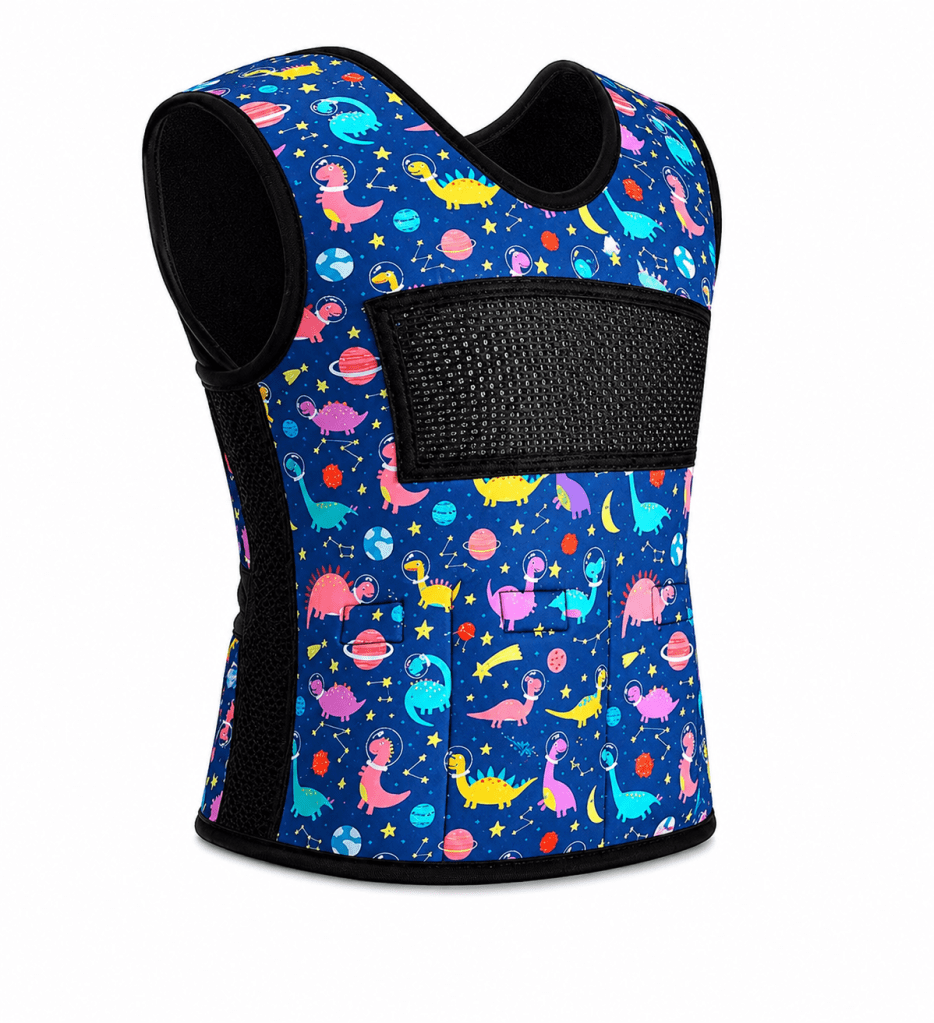
Weighted Vest
A weighted vest provides deep pressure input that may help some children improve body awareness and stay calm during seated activities. It should only be used under the guidance of an occupational therapist to ensure appropriate weight and duration.
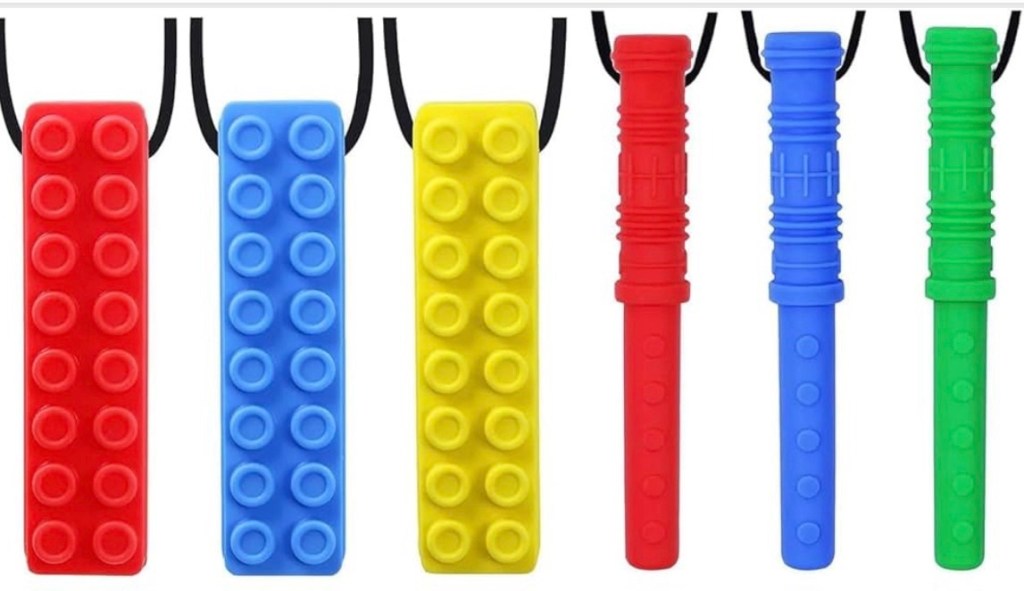
Chewy Necklace or Chew Toy
Chewy tools offer a safe outlet for children who seek oral sensory input by chewing on clothing, pencils, or fingers. They come in different textures and firmness levels to match individual preferences.
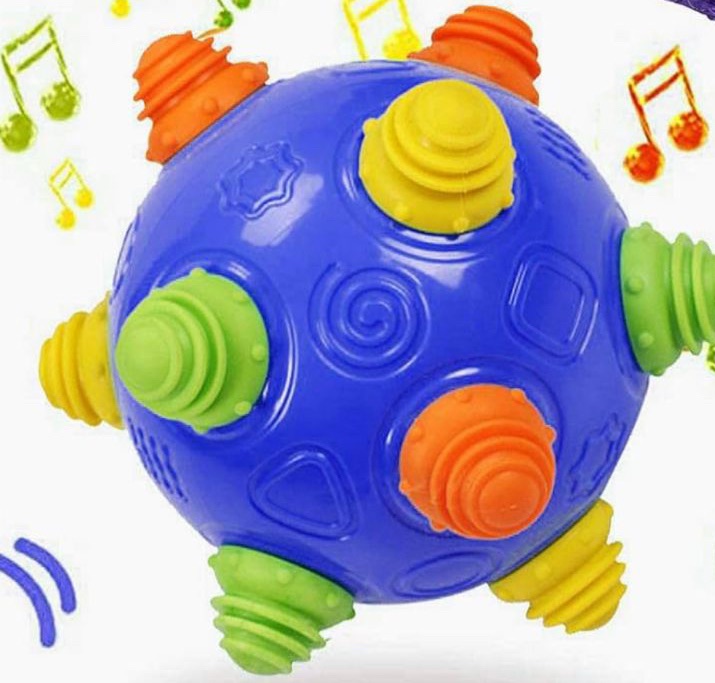
Vibrating Sensory Toy
Small vibrating sensory toys provide gentle tactile stimulation that some children find calming or alerting. These can be useful during transitions, homework, or travel, depending on the child’s sensory needs.
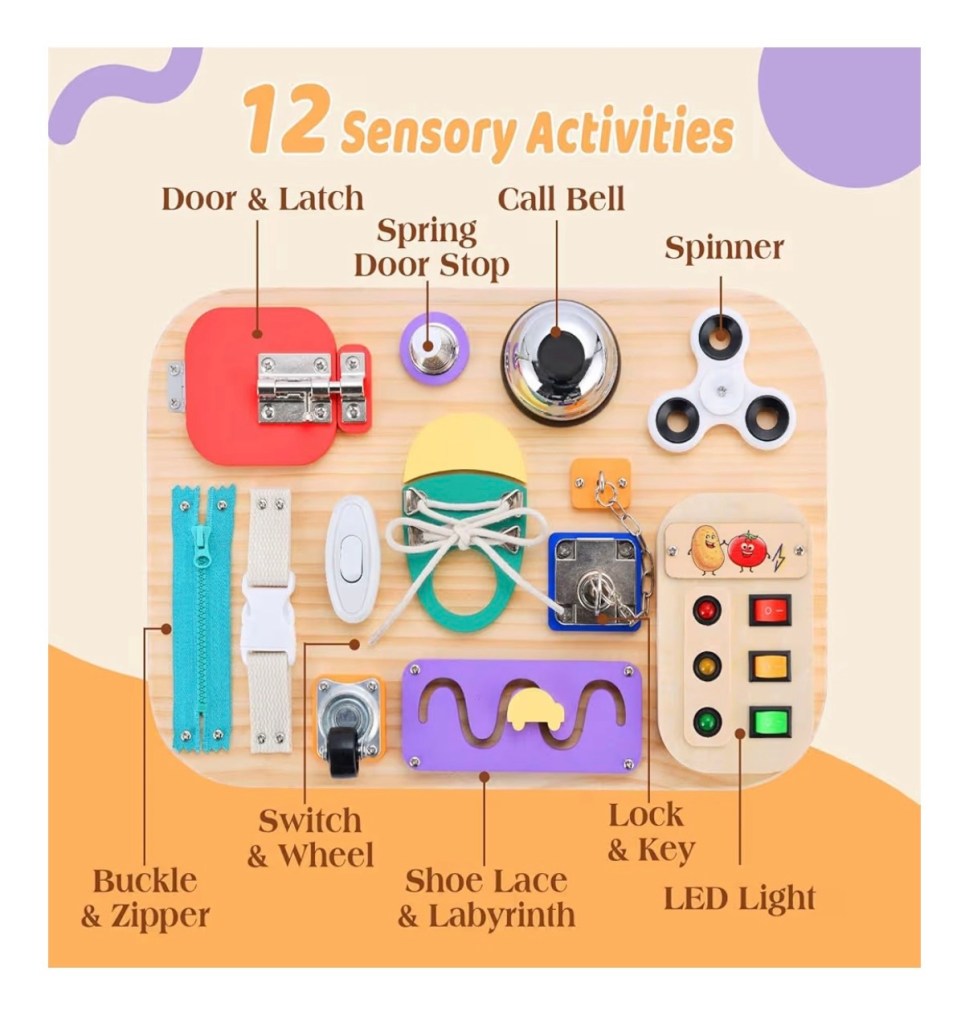
Busy Board
Simple fidgets such as stress balls, pop-it toys, or Busy Board can help some children stay engaged during quiet activities.
Final Thoughts
A sensory diet doesn’t have to be complicated or expensive. Simple daily activities like jumping, pushing, climbing, and playing with different textures can make a meaningful difference in helping children feel regulated and ready to learn. If your child has ongoing sensory challenges, consult an occupational therapist to create a personalized sensory diet that meets their individual needs.




Leave a comment